DISCOVER · SEE WHAT’S CHANGING
See what’s changing.
Understand what actually matters.
AI, infrastructure, platforms and new business models are reshaping work faster than most people can process. HiTechStories turns that noise into signals, patterns and practical meaning for experienced professionals.
01 · SIGNALS
What’s changing now
The shifts worth watching — beyond the headlines.

AI is becoming infrastructure — and premium intelligence is getting expensive.
Access to AI is spreading. Access to the most capable systems may not spread at the same speed. That changes who gets amplification and who gets automation.

AI may equalise access without equalising outcomes.
The same tools can amplify judgement, discipline and resources — or expose the lack of them. The real divide may move from access to effective use.

Technology removes one scarcity and creates another.
When everyone gains a capability, value migrates. Attention, judgement, trust, compute and differentiated expertise can become the new scarce resources.
02 · RELEVANCE
Why these shifts matter
Your work
How technology changes what you do, what your expertise is worth and where new leverage appears.
Your decisions
How to use powerful systems without slowly outsourcing the judgement that made you valuable.
Your environment
How organisations, infrastructure, platforms and economic forces reshape the systems around you.
03 · FIVE DISCOVERY JOURNEYS
Choose the change you want to understand
Start with the question closest to your work. The categories are secondary; the question is the entry point.
01 · AI & Human Capability
What happens to human capability when intelligence becomes abundant?
Judgement, cognitive outsourcing, AI literacy, agents and augmentation.
02 · Work & Expertise
What remains valuable when machines can perform more knowledge work?
Career relevance, expertise, professional identity, visibility and leverage.
03 · Digital Change
Why does technology change organisations more slowly than technology itself?
Adoption, transformation, infrastructure, organisational resistance and legacy.
04 · Technology & Power
Who gains power when technology changes?
Compute, platforms, sovereignty, infrastructure, data and technological dependency.
05 · The Next Technology Shift
Which transitions could reshape the next decade? Intelligence becomes ubiquitous. Machines become autonomous. Infrastructure becomes programmable. Physical and digital systems converge.
Patterns, not headlines.
Most technology coverage tells you what happened. HiTechStories is more interested in what keeps happening: the recurring patterns behind technology adoption, failure, disruption and human behaviour.
04 · FIVE IDEAS WORTH UNDERSTANDING
Start here with these ideas

01
Digital transformation has a hidden cost: complexity.
Technology investment can modernise systems while quietly increasing cognitive and organisational debt. Understanding where complexity enters is part of understanding change.
02
Keep your judgement while you use AI.
AI is most useful when it expands the option space without taking ownership of the decision.
03
Outlive your own technology.
Platforms expire. Professional value survives when expertise moves from tools to consequences, decisions and business impact.
04
Technical credibility is not business influence.
Being right is not enough. Expertise has to travel into priorities, risk, money and decisions.
05
Turn AI into a growth system, not a search bar.
The shift from one-off prompts to a repeatable system changes AI from convenience into capability.
FROM EXPERIENCE
Technology changes. The patterns don’t change nearly as fast.
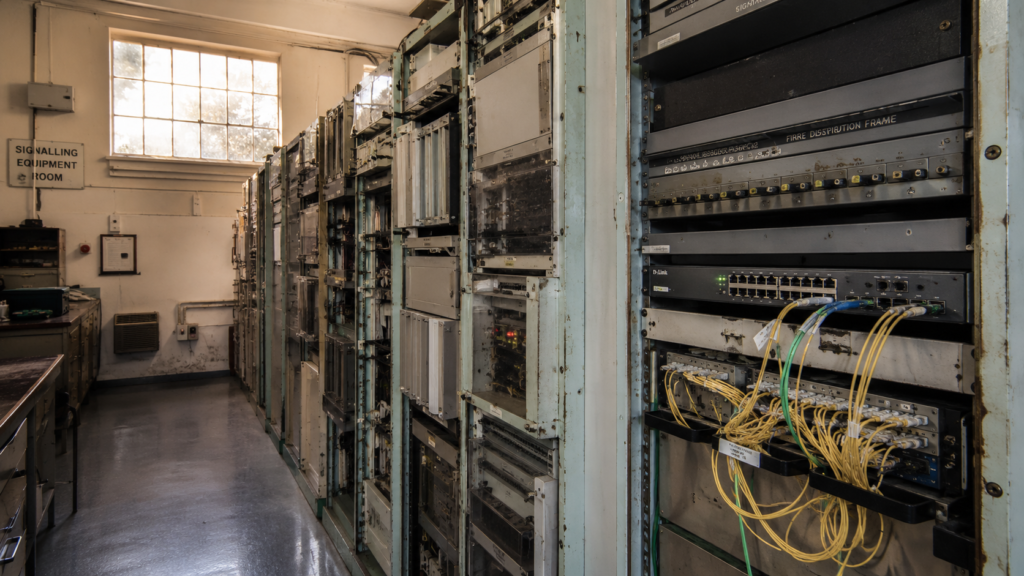
I’ve spent decades working around large technology transformations — telecom networks, digital infrastructure, platforms and organisational change. HiTechStories combines those experiences with research, frameworks, practical examples and current signals to understand not simply what technology can do, but what happens when people and organisations actually adopt it.
Don’t follow technology.
Learn to read it.
Once a week: one meaningful shift, the pattern behind it and what deserves your attention. No noise.
You’ve seen what’s changing. Now decide what it means for you.
Understand your position
Build a career that can survive technologies with shorter life cycles.
Understand the bigger system
Explore how adoption, organisations and infrastructure shape technological change.